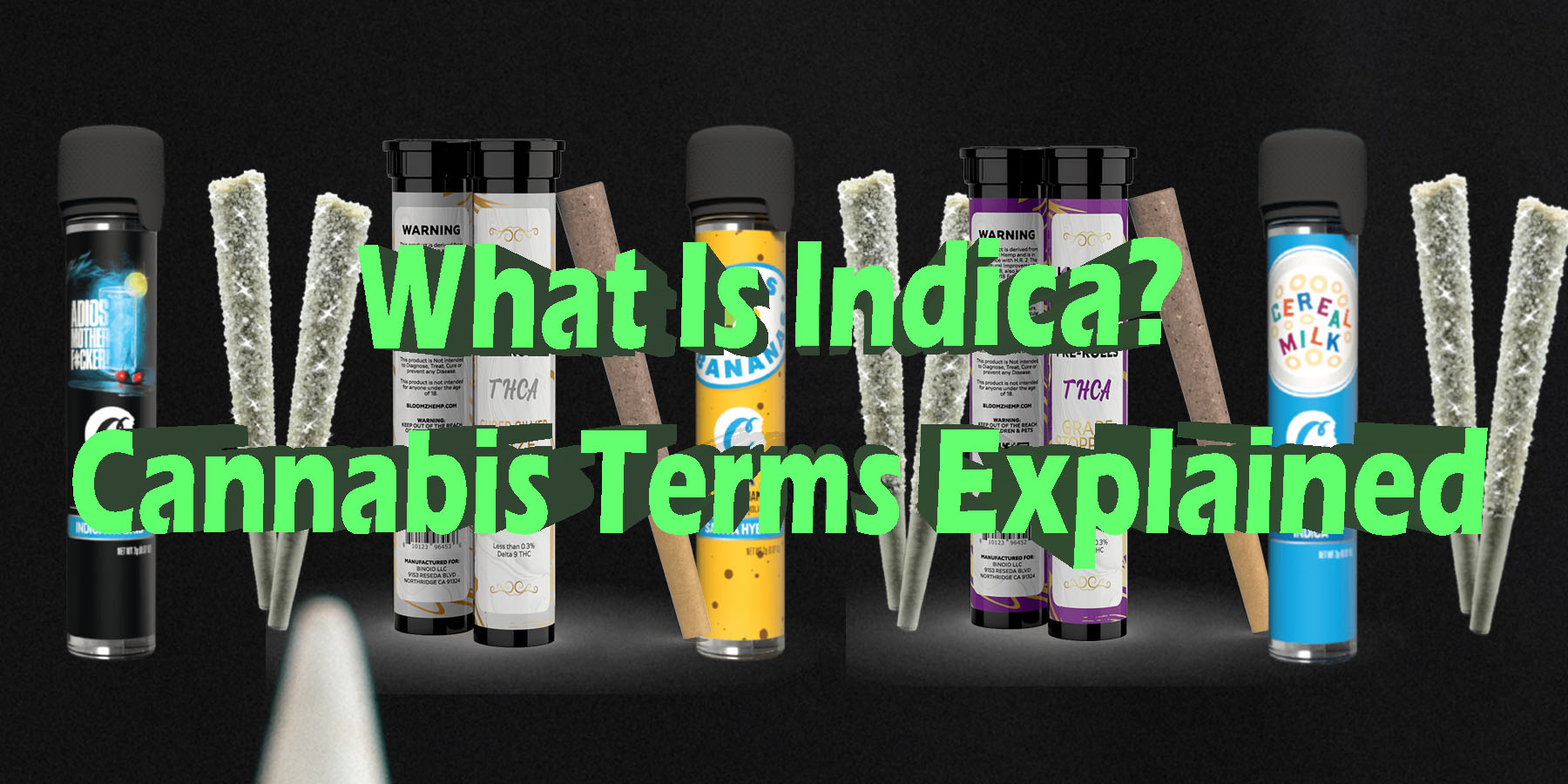
If you’ve ever walked into a dispensary, browsed a vape menu, or shopped online for THC products, you’ve definitely seen the word “Indica.”
It’s one of the oldest labels in cannabis culture. People throw it around like everyone automatically knows what it means.
“Is that an Indica?”
“I only smoke Indica.”
“That’s a heavy Indica.”
But what does that actually mean?
Is it a strain? A feeling? A plant type? A marketing term?
The answer is… kind of all of the above.
Let’s break it down in a way that actually makes sense — especially if you’re a casual THC user who just wants to know what you’re getting into before you hit that cart or pop that gummy.
To Buy THC Products Click Here
Recommended products
-
14,000MG Turbo THC Gummies – Blazed
$49.99$84.99 -
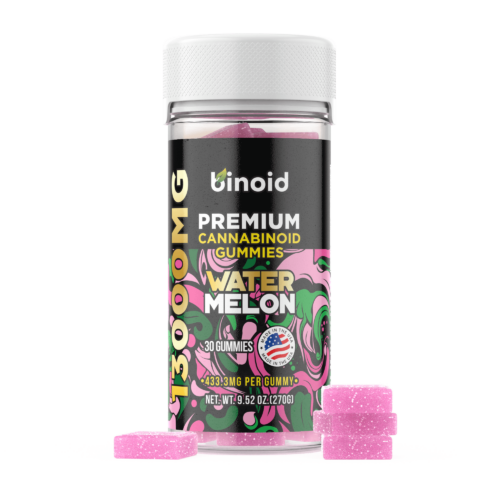
13,000mg Good Luck Gummies
$47.99$79.99 -
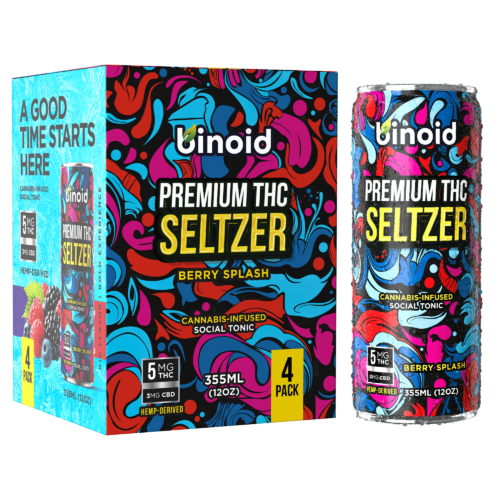
THC Seltzer – Good Vibes Cannabis Drink (4 Pack)
$19.99$29.99 -
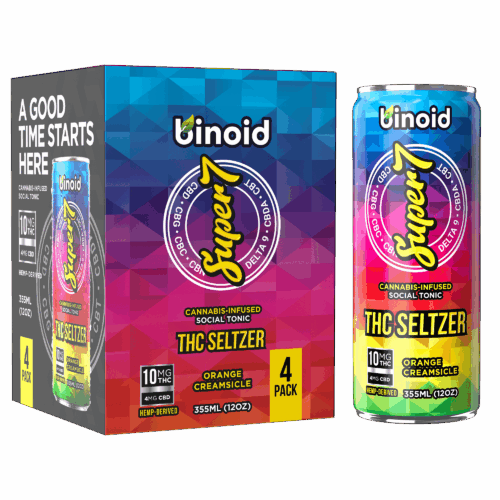
Super 7 THC Beverage – One of a Kind (4 Pack)
$24.99$37.99
The Simple Definition of Indica
Traditionally, Indica refers to one of the main types of cannabis plants: Cannabis indica.
The other main category you’ll hear about is Sativa. And sometimes you’ll see Hybrid, which is a mix of both.
Historically, Indica plants were shorter, bushier, and native to regions like Afghanistan and parts of the Middle East. They grew differently than Sativa plants, which were taller and more narrow-leafed.
But here’s the part most people actually care about:
In modern cannabis culture, “Indica” usually describes a type of experience — not just a plant structure.
When people say Indica, they typically mean something that feels heavier, slower, or more relaxing.
What Does Indica Feel Like?
Let’s keep it practical.
When someone says a product is Indica, they usually mean:
It feels more laid-back.
It leans toward evening vibes.
It might feel heavier in the body.
It’s more “chill on the couch” than “go out and socialize.”
Now, does that mean every Indica will knock you out? No.
Does it mean you can’t use it during the day? Not necessarily.
But culturally speaking, Indica is associated with slower, calmer sessions.
If Sativa is often described as bright and energetic, Indica is described as mellow and grounding.
That’s the general idea.
Why Indica Isn’t Just About the Plant Anymore
Here’s where things get interesting.
Modern cannabis products — especially vapes and edibles — don’t always come directly from raw flower the way traditional smoking does.
A lot of THC products are made using distillates and then infused with specific terpene blends to recreate certain strain-style experiences.
That means when you see “Indica” on a disposable vape or gummy, it’s often referencing a terpene profile and effect direction rather than a literal plant lineage.
On sites like binidcbd.com, you’ll see strain-inspired disposables and gummies labeled as Indica, Sativa, or Hybrid. Those labels are there to guide the expected vibe.
It’s less about botanical purity and more about experiential design.
The Role of Terpenes in Indica Effects
If Indica is associated with certain vibes, what actually causes that feeling?
Terpenes play a huge role.
Certain terpene profiles are commonly found in strains labeled as Indica. For example, myrcene-heavy profiles are often associated with deeper, more grounded experiences.
Terpenes influence flavor and tone. So if a product has earthy, herbal, or slightly sweet dessert-style notes, it may lean toward that classic Indica direction.
When brands craft Indica-labeled vapes or gummies, they often select terpene combinations that reinforce that slower, more relaxed energy.
That’s how modern product lines maintain the Indica identity — even in extract form.
Recommended products
-
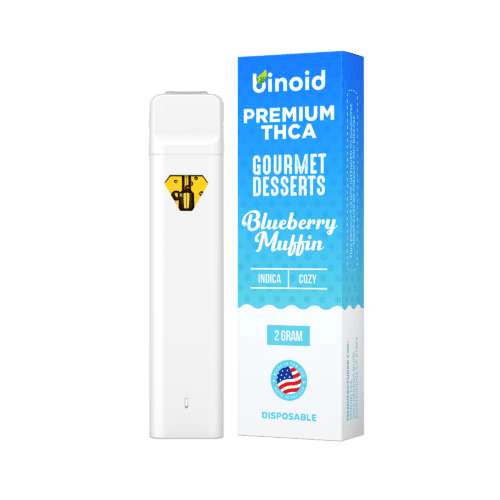
THCA Disposable 2 Gram – Gourmet Desserts
$37.99$73.00 -
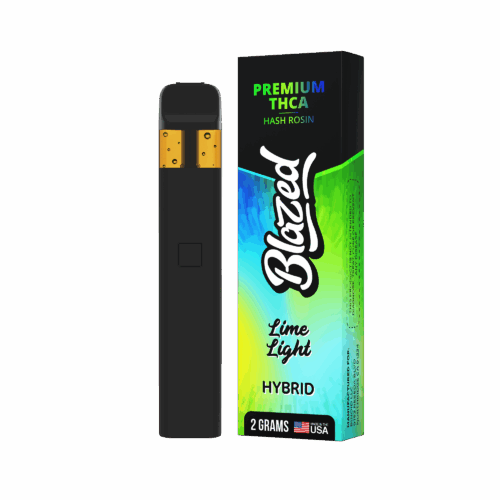
2 Gram THCA Disposable – Hash Rosin – Blazed
$37.99$59.99 -
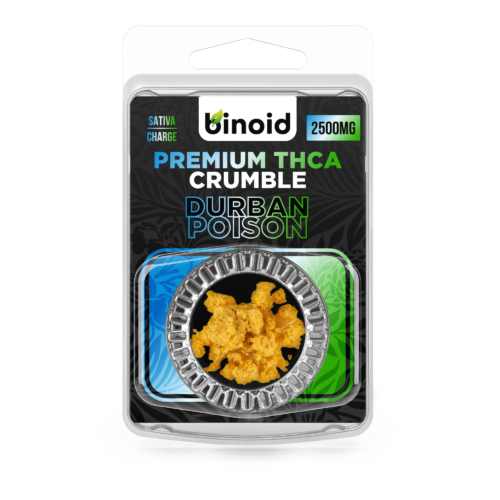
THCA Crumble – 2500mg
$37.99$59.99 -
Functional THC Gummies
$33.99$59.99

Indica vs Sativa: The Classic Debate
The cannabis world has been using the Indica vs Sativa comparison forever.
Indica = chill
Sativa = upbeat
That’s the oversimplified version.
In reality, the difference between how two products feel has more to do with cannabinoid ratios and terpene profiles than strict plant categories.
But the labels still serve a purpose.
They give casual users a starting point.
If you know you don’t love high-energy, racey experiences, you might lean toward Indica options.
If you prefer something lighter and more social, you might lean Sativa.
Even if the science has evolved, the labels still help guide expectations.
Indica in Vapes
Indica vapes are extremely popular.
Why?
Because a lot of people use THC in the evening. After work. After responsibilities. When it’s time to slow down.
On binidcbd.com, certain disposable vapes are categorized by experience type. Indica-style options are typically crafted with flavor and terpene profiles that match deeper, smoother vibes.
That might mean dessert-inspired strains. Or gassy, rich profiles. Or sweet-and-earthy combinations.
The labeling isn’t random. It’s about helping users pick something that fits their mood.
Indica in Gummies
Edibles are a different beast.
Because they’re metabolized differently than inhaled products, they tend to last longer and feel stronger per milligram for many people.
Indica-style gummies are usually marketed for nighttime or relaxed sessions.
That doesn’t mean they make medical claims. It just means the formulation and branding lean toward a slower vibe.
On binidcbd.com, you’ll see gummies across multiple categories — some are blends, some are single-cannabinoid focused, and some are positioned around experience types.
If you’re browsing and want something that feels more “kick back and chill,” Indica-labeled edibles are typically where you’d start.
Are Indica Strains Always Sedating?
Not always.
And this is important.
Every person’s body chemistry is different. Tolerance matters. Dosage matters.
A light dose of an Indica product might feel mellow but manageable. A heavy dose might feel overwhelming regardless of label.
The Indica tag is a directional guide — not a guarantee.
That’s why it’s smart to start low, especially with edibles.
The Evolution of Indica in the Hemp Market
With the rise of hemp-derived cannabinoids, the Indica concept has expanded beyond traditional Delta-9 flower.
Now you’ll see Indica-style:
Delta-8 vapes
THCA disposables
Multi-cannabinoid blends
Live resin-inspired carts
Brands like Binoid have built entire lines around curated blends and strain-inspired profiles. Indica labeling helps users navigate those options quickly.
Even when cannabinoids vary — whether it’s Delta-8, THCA, or a multi-cannabinoid formula — the Indica tag signals a certain type of experience direction.
Recommended products
-
Delta 8 THC Vape Cartridge
$26.99$39.99 -
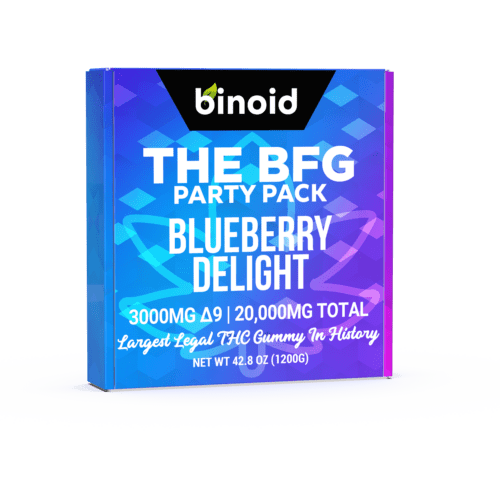
The BFG – 3000mg Delta 9 THC Gummy
$128.99$239.99 -
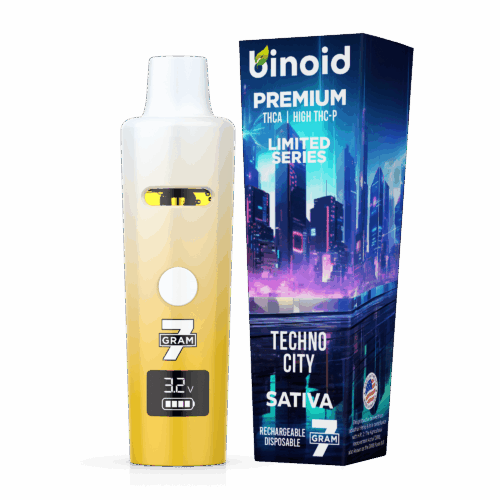
7 Gram THCA + High THC-P Disposable Vape – Limited Series
$67.99$109.99 -
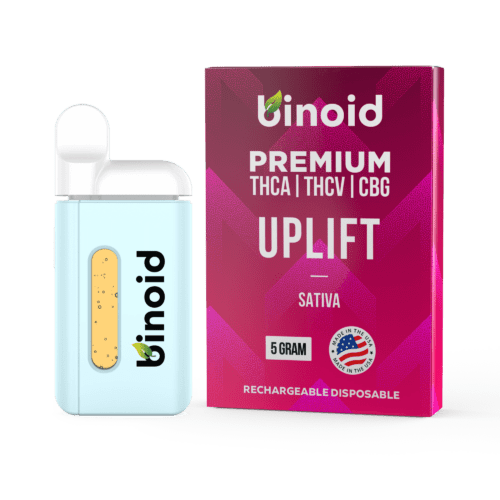
THCV 5 Gram Disposable Vape – Uplift/Unwind
$51.99$69.99

Indica and “Couch-Lock”
You’ve probably heard the phrase couch-lock.
That deep, heavy feeling where moving feels optional.
Indica strains are often associated with that sensation.
But again, it’s not universal.
High potency, terpene profile, and dose all influence how heavy something feels.
If you want a mild chill session, choose lower milligrams. If you want something stronger, look at higher potency options — but always pace yourself.
Indica can be relaxing without being overwhelming.
Flavor Profiles Common in Indica Products
Indica-leaning products often feature flavor notes like:
Earthy
Sweet
Dessert-like
Gassy
Creamy
Berry-forward
You’ll notice that many Indica-labeled disposables on binidcbd.com lean into rich, smooth flavors rather than sharp citrus or tropical brightness.
That flavor direction reinforces the vibe.
It’s all part of experience design.
Indica Isn’t “Better” — It’s Just Different
Some people only use Indica.
Others avoid it completely.
There’s no right answer.
If you like heavier vibes, Indica probably fits your rotation.
If you prefer more active experiences, you might mix it up with Sativa or Hybrid options.
The key is knowing what you enjoy — not blindly following labels.
Indica and Modern Blends
Here’s something interesting.
A lot of modern products aren’t strictly Indica in a botanical sense. They’re blends crafted to feel Indica-like.
That might mean combining certain cannabinoids with specific terpene profiles to create a smooth, mellow experience.
On binidcbd.com, many product lines reflect this modern blending approach. Instead of relying purely on plant genetics, they focus on delivering a consistent experience through formulation.
That’s where the industry is heading — curated vibes over strict plant taxonomy.
Recommended products
-
THC-P Vape Cartridge
$29.99$59.99 -
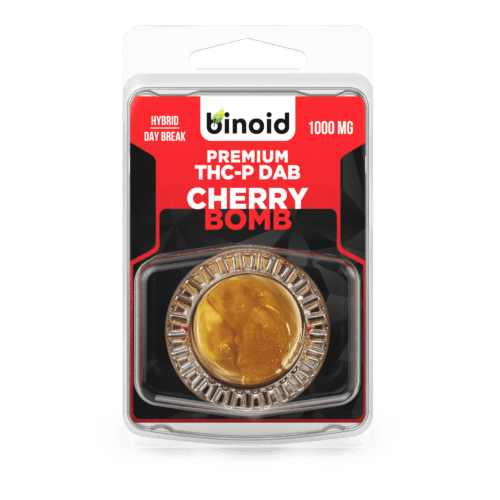
THC-P Wax Dabs
$29.99$57.99 -
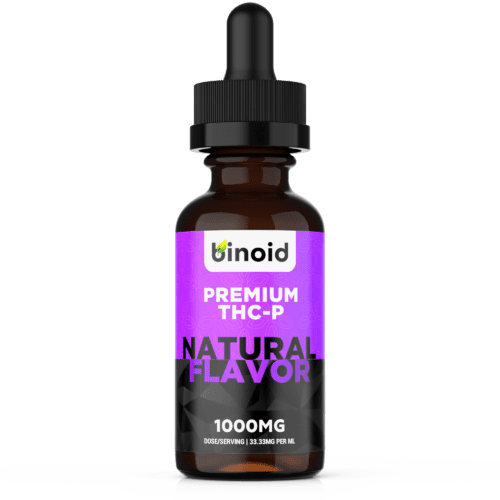
THC-P Tincture – 1000mg
$30.99$79.99 -
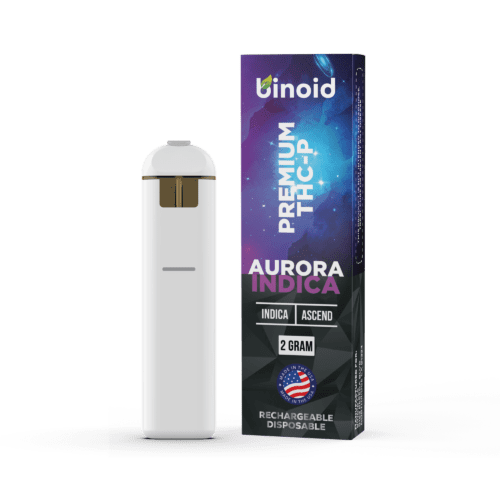
THC-P Rechargeable Disposable – 2 Gram
$31.00$59.99

How to Choose the Right Indica Product
If you’re browsing online and considering an Indica option, think about:
Form factor — vape or edible?
Potency — how many milligrams?
Blend type — single cannabinoid or multi-blend?
Flavor — do you prefer sweet, gas, dessert, berry?
If you’re new, start lighter.
If you’ve been using THC for a while, you probably already know your comfort zone.
Indica is about the tone of the session — not just the strength.
The Bottom Line on Indica
Indica started as a botanical classification.
Today, it’s a vibe category.
It generally signals a slower, more grounded THC experience. It’s associated with chill sessions, nighttime use, and heavier flavor profiles.
But it’s not a rulebook.
It’s a guide.
On binidcbd.com, Indica-labeled products — whether disposables, gummies, or blends — are designed to reflect that classic mellow direction. They’re built around curated terpene profiles and cannabinoid combinations to create a specific feel.
At the end of the day, Indica isn’t about science jargon.
It’s about how you want your session to feel.
If your goal is to slow down, relax, and keep things low-key, Indica is usually the lane you’re looking for.
And once you understand that, choosing the right product gets a whole lot easier.
To Buy THC Products Click Here
Recommended products
-
Power 9 Blend Live Resin Disposable – 2 Pack Combo (Limited Time Sale)
$44.99$89.99 -
Beast Mode Blend Gummies
$32.99$59.99 -
Knockout Blend Tincture – 1000mg
$34.99$59.99 -
Master Blend Live Resin Disposable – 3 Gram
$43.99$59.99